Soyuz 9K 4

Spacecraft:
(no serial number)
Launch Vehicle:
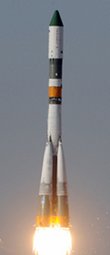
Soyuz 11A511
Scheduled Launch:
1 Sep 1965
Last Scheduled:
1 Aug 1964


Prime
Crew

⇑ Mission List ⇑

Designation: Soyuz 4 9K D-C-CF(U)-4
Description: 4th Soyuz SL-4 unmanned chemical propulsion stage docking for manned lunar flyby

Soyuz 11K 4-1

Spacecraft:
(no serial number)
Launch Vehicle:
Soyuz 11K55
Scheduled Launch:
6 Sep 1965
Last Scheduled:
1 Aug 1964

⇑ Mission List ⇑

Designation: Soyuz 4 11K T-CF(U)-4-1
Description: 1st Soyuz SL-4 unmanned propellant tanker docking to 4th manned Soyuz for lunar flyby

Soyuz 11K 4-2

Spacecraft:
(no serial number)
Launch Vehicle:
Soyuz 11K55
Scheduled Launch:
11 Sep 1965
Last Scheduled:
1 Aug 1964

⇑ Mission List ⇑

Designation: Soyuz 4 11K T-CF(U)-4-2
Description: 2nd Soyuz SL-4 unmanned propellant tanker docking to 4th manned Soyuz for lunar flyby

Soyuz 11K 4-3

Spacecraft:
(no serial number)
Launch Vehicle:
Soyuz 11K55
Scheduled Launch:
16 Sep 1965
Last Scheduled:
1 Aug 1964

⇑ Mission List ⇑

Designation: Soyuz 4 11K T-CF(U)-4-3
Description: 3rd Soyuz SL-4 unmanned propellant tanker docking to 4th manned Soyuz for lunar flyby

Soyuz 7K 4

Spacecraft:
(no serial number)
Launch Vehicle:
Soyuz 11A511
Scheduled Launch:
21 Sep 1965
Last Scheduled:
1 Aug 1964


Prime
Crew

⇑ Mission List ⇑

Designation: Soyuz 4 7K D-CF-4
Description: 4th Soyuz SL-4 manned docking to propulsion stage for lunar flyby

not assigned

not assigned

not assigned
Backup
Crew

not assigned

not assigned

not assigned

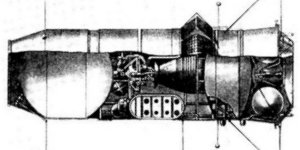
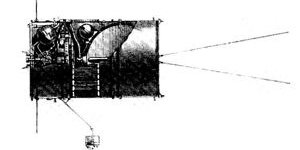
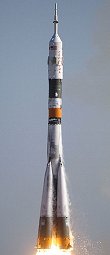
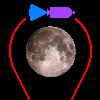
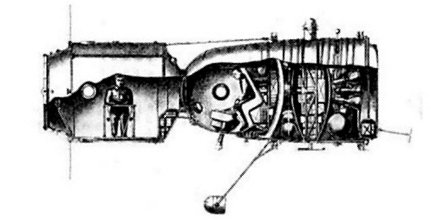
The 7K Soyuz spacecraft was initially designed for rendezvous and docking operations in near earth orbit, leading to piloted circumlunar flight. A circumlunar mission would begin with launch of the Soyuz B 9K rocket block into a 225 km orbit. This would be followed by one to three Soyuz V 11K tankers (depending on the mission), which would automatically rendezvous and dock with the 9K. They would transfer up to 22 metric tons of propellant. Finally the Soyuz A 7K spacecraft with the cosmonauts aboard would be launched, dock with the 9K, and be propelled on a lunar flyby trajectory.

Although Vladimir Chelomej's plan for a single, manned spacecraft, to be placed on a translunar trajectory in a single launch of his UR-500K rocket, was the preferred approach, Sergej Korolyov continued work on the Soyuz A 7K design, which evolved into the Soyuz 7K-OK spacecraft.

References:
Encyclopedia Astronautica.
Russian Space Web.
Wikipedia.